Wondering what it’s really like to buy a home in Westport on Lake Champlain? This small Essex County town offers a rare mix of lake views, mountain scenery, historic character, and rural breathing room, but buying here comes with details you will want to understand early. If you are considering a primary home, seasonal cottage, or waterfront retreat, this guide will help you focus on the questions that matter most. Let’s dive in.
Why Westport Stands Out
Westport is a small lakeside community on the western shore of Lake Champlain in Essex County. Census Reporter estimates about 1,550 residents spread across 58.2 square miles, which gives the area a notably rural, low-density feel. If you are looking for space, scenery, and a quieter pace, that setting is a major part of the appeal.
The landscape is a defining feature here. Westport sits between Lake Champlain and the Adirondack Mountains, with views east toward Vermont’s Green Mountains. The hamlet is also within the Adirondack Park blue line, and the combination of lake and mountain views shapes both the experience of living here and the value of many properties.
What Buyers Should Expect
Westport is not a large suburban market with one uniform housing style. Instead, you will find a compact town center, residential streets, shoreline areas, and pockets with a more seasonal or estate-like feel. That variety means two homes with similar square footage can offer very different settings, access, and long-term use.
The former Village of Westport was dissolved in 1992, but the town still preserves a separate Town Center in that former village core. For buyers, that means some listings may feel more walkable and centered around Main Street, while others feel distinctly rural or more removed from the hamlet.
Westport Home Styles and Character
The Westport Historic District offers one of the clearest windows into the local built environment. It includes principal hamlet streets such as Main Street, Champlain Avenue, Sisco Street, and Washington Street. The district includes 330 contributing resources and 124 noncontributing resources, reflecting how much historic fabric remains in the area.
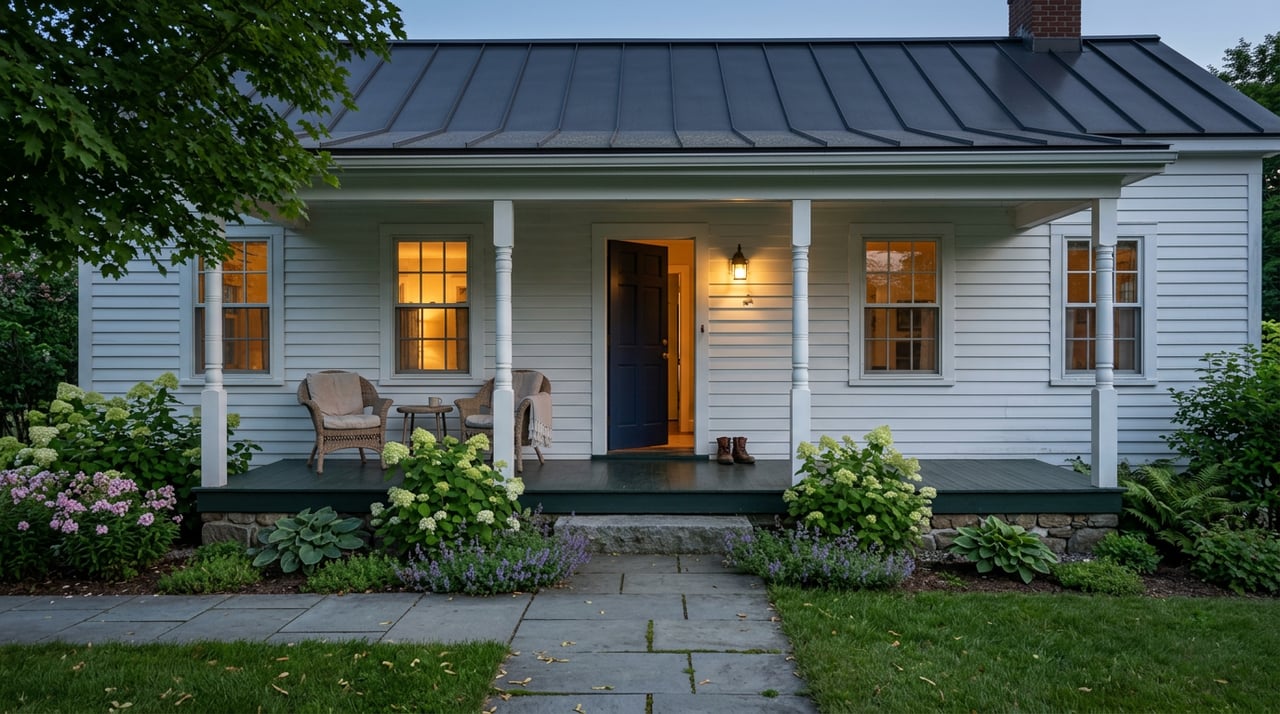
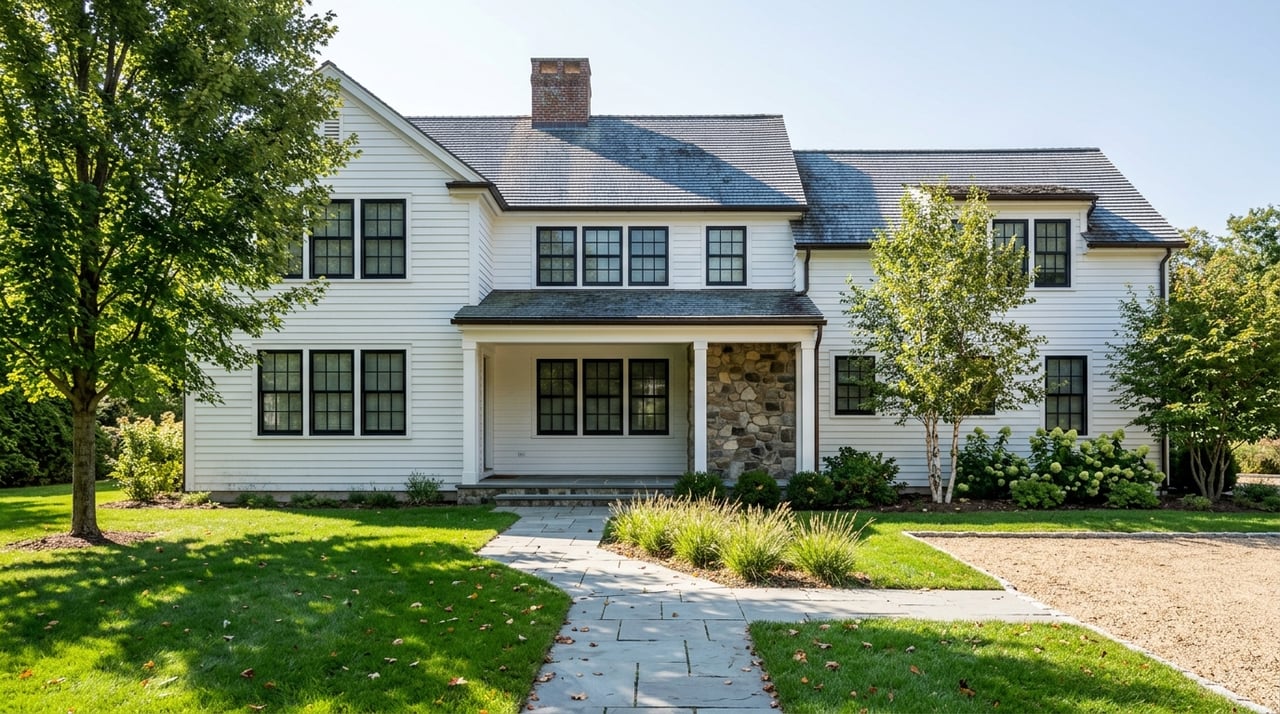
Architecturally, Westport offers real variety. Styles represented include Federal, Greek Revival, Italianate, Queen Anne, Stick/Eastlake, Shingle Style, Colonial Revival, and later twentieth-century revivals. Wood-frame homes are common, though you will also see stone and brick construction in places.
Many properties include outbuildings such as carriage barns, garages, and sheds. That can be a real advantage if you want extra storage, workshop space, or room for seasonal gear. At the same time, older structures often require closer review for condition, maintenance, and renovation planning.
Different Areas Can Feel Like Different Markets
One of the most important things to understand about Westport is that different sections of town can feel like separate micro-markets. The historic-district nomination identifies a commercial core on Main Street, a residential quarter west of the business district, a southern area with larger estates, and northern and northwestern sections around the railroad station and fairgrounds.
For you as a buyer, that means location within Westport matters as much as the house itself. A home near the center may offer easier access to town amenities and the station, while a property farther south or along the lake may lean more heavily into views, privacy, or seasonal use.
Some south-end properties were once operated as hotels during Westport’s summer-resort era, and several houses there remain seasonal residences. If you are comparing homes in different parts of town, it helps to think beyond price and square footage to how you actually want to use the property.
Waterfront Questions to Ask Early
If a listing mentions water access or a lake setting, do not assume that means the same thing from property to property. In Westport, buyers should clearly separate direct waterfront, shared waterfront access, and view-only properties. That distinction can affect value, enjoyment, and what you can realistically do with the property.
Westport’s land-use law sets specific shoreline-related standards. It requires a 100-foot setback for on-site sewage drainage fields and seepage pits from the mean high-water mark, limits vegetation clearing near the shore, and establishes minimum shoreline-frontage requirements where multiple lots share deeded or contractual waterfront access.
Those rules make due diligence especially important. Before you move too far into a purchase, confirm whether the property has direct frontage, shared access rights, or simply a visual connection to the lake. If shared access is involved, you will also want clear documentation of how that access works.
Floodplain and Insurance Considerations
Lakefront and near-lake properties can offer exceptional beauty, but they also require practical review. Westport’s land-use law states that construction on flood-prone lands is governed by the town’s floodplain law. The town also highlights FEMA flood-map appeal information and a draft flood-map notice on its homepage.
For buyers, the key takeaway is simple: check flood-zone status early. If a property is near the lake or in an area that may be affected by floodplain rules, it is wise to understand insurance implications and any building constraints before you finalize an offer strategy.
This is one of those areas where local knowledge matters. Two attractive lake-oriented properties can carry very different risk profiles, improvement options, and ownership costs.
Year-Round Home or Seasonal Cottage?
Westport explicitly accommodates seasonal housing. Its land-use law defines a single-family dwelling to include a seasonal cottage, cabin, or camp. That is helpful if you are searching for a second home or recreational property, but it also means you should not assume every home is set up for full-time, four-season living.
If you are comparing a year-round residence with a seasonal property, focus on function. Look closely at winter access, heating systems, insulation, and utility service. A home that works beautifully for summer and fall may require upgrades or operational changes if you plan to use it year-round.
This is especially relevant for out-of-area buyers who may be drawn in by a great setting or charming architecture. The lifestyle can be wonderful, but the practical details should match how you intend to live in the home.
Historic Status and Renovation Planning
Older homes are a meaningful part of Westport’s appeal, and historic status can create both opportunities and added considerations. The town’s historic-district page connects buyers to the National Register nomination and to New York State historic-preservation tax-credit resources. New York State Parks notes that State and National Register listing can make properties eligible for matching grants and rehabilitation tax credits.
That potential upside can be valuable if you love historic homes and are planning thoughtful improvements. Still, historic status is not something to treat casually. Before assuming you can renovate, expand, or alter a property in a specific way, confirm what rules or review processes may apply.
A beautiful older home can be a rewarding purchase, but the smartest approach is to pair vision with careful research. That way, you can understand both the charm and the obligations before you buy.
Water, Sewer, and Private Systems
Utility service is another area where buyers should ask direct questions. Westport’s town government maintains water-quality reports, water and sewer hook-up forms, and information related to its sewer district. At the same time, planning-board materials have referenced parcels with combinations such as a house, mobile home court, well, and septic.
In practice, that means listings may not all operate the same way. Some properties may be connected to municipal systems, while others may rely on private wells and septic systems. You will want to verify this early because it can affect maintenance responsibilities, upgrade needs, and future plans for the property.
For camps, older homes, and properties outside the hamlet core, this step is especially important. Never assume utility setup based on appearance alone.
Getting Around Westport
For a small town, Westport offers strong regional access. The town says the center of Westport is about four miles east of I-87 Exit 31 and about 12 miles from both the Crown Point Bridge and the Essex-Charlotte Ferry. That network can make travel around the broader Lake Champlain region more convenient than many buyers expect.
Amtrak also serves Westport on the daily Adirondack route, with the station located at 6705 Main Street. The historic depot opened in 1876 and now houses the Depot Theater, which presents summer shows. For some buyers, rail access is a meaningful lifestyle benefit, especially for second-home use or regional travel.
This transportation mix is one reason Westport appeals to a range of buyers. You can enjoy a quiet, scenic setting while still maintaining connections to the wider region.
The Lifestyle: Quiet, Scenic, and Centered on Place
Westport’s small scale is part of its charm. The town is about 290 road miles north of New York City, and the library sits right in the center of town on the library lawn, reinforcing the sense of a compact hamlet core rather than a spread-out suburban environment.
If you are drawn to places where scenery and setting shape daily life, Westport delivers that in a very grounded way. The lake, the Adirondacks, the historic streetscape, and the compact center all work together to create a place that feels distinct from larger markets.
For many buyers, that is exactly the point. You are not just buying a house here. You are choosing a specific kind of lakeside and mountain-edge lifestyle.
Why Local Guidance Matters in Westport
Westport is a market where the details matter. Waterfront rights, flood-zone status, municipal versus private utilities, seasonal use, and historic status can all affect the true fit and value of a property. These are not side issues. They are central to making a smart purchase.
That is why informed local guidance can make a real difference, especially if you are comparing properties across both New York and Vermont sides of Lake Champlain. Westport’s location, access points, and shoreline setting create opportunities, but they also call for careful, property-specific analysis.
If you want candid advice about camps, lake-view homes, village-area properties, land, or year-round residences in the Lake Champlain region, Karen Bresnahan offers thoughtful, experienced guidance rooted in both local knowledge and a clear understanding of how lifestyle and land-use factors shape value.
FAQs
What is Westport, New York like for homebuyers?
- Westport offers a small, rural lakeside setting on Lake Champlain with Adirondack and Green Mountain views, a compact town center, and a mix of year-round and seasonal housing.
What types of homes can you find in Westport on Lake Champlain?
- Buyers can find historic homes, seasonal cottages or camps, homes with lake or mountain views, properties with outbuildings, and homes in areas that range from hamlet-center locations to larger estate-like settings.
What should you check before buying waterfront property in Westport?
- Confirm whether the property has direct waterfront, shared waterfront access, or only views, and review shoreline rules, flood-zone status, insurance considerations, and any limits tied to the site.
Are there seasonal homes in Westport, NY?
- Yes. Westport’s land-use law specifically includes seasonal cottages, cabins, and camps within its single-family dwelling definition, so buyers should verify whether a property is suited for seasonal or year-round use.
Does historic status affect buying a home in Westport?
- It can. Historic status may create access to certain preservation-related incentives, but buyers should also confirm what renovation or improvement rules may apply before making plans.
Are all Westport homes connected to municipal water and sewer?
- No. Some properties may be tied into municipal systems, while others may rely on private wells and septic, so utility setup should always be verified during your due diligence.