If you are looking for a place that feels both grounded and scenic, Charlotte, Vermont stands out right away. You may want a home near a village center, more land and privacy, or a property close to the lake, and Charlotte offers a thoughtful mix of all three. Understanding how the town is laid out can help you focus your search and choose a setting that fits your day-to-day life. Let’s dive in.
Why Charlotte Feels Distinct
Charlotte sits in the Champlain Valley with views over Lake Champlain, and the town describes itself as historically agricultural. That character still shapes the community today, with 53 working farms and a landscape defined by fields, open land, and scenic roads.
At the same time, Charlotte is not just one kind of place. The town identifies East and West Charlotte as small village centers, and these areas include familiar everyday destinations like corner stores, the town library, the Grange Hall, and a Senior Center. That balance is a big part of the appeal if you want breathing room without feeling disconnected.
Charlotte’s Three Main Living Settings
For many buyers, it helps to think about Charlotte in three related ways: village living, country living, and lake-adjacent living. Each setting offers a different rhythm, and each comes with its own land-use context.
Village Living in Charlotte
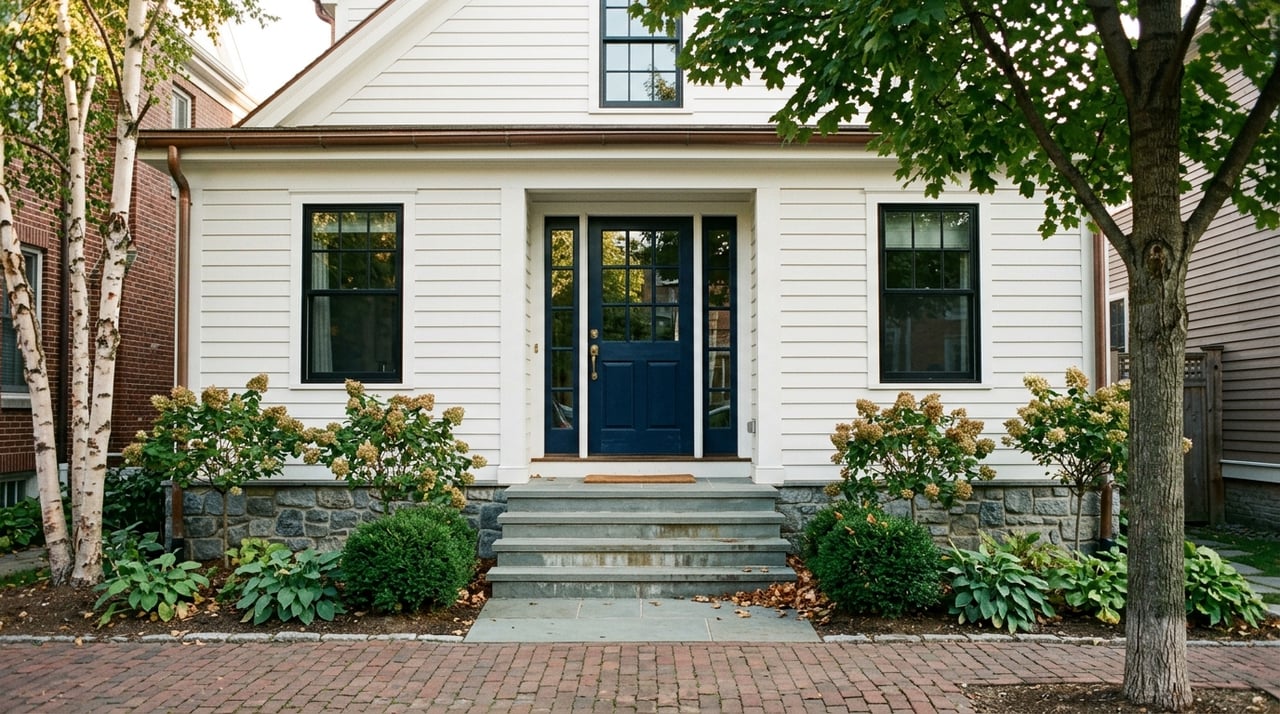
If you want a more compact setting, the designated village areas are the best place to start. East Charlotte Village, West Charlotte Village, and the Village Commercial district are the town’s identified village-oriented areas.
These locations are the parts of town most likely to feel service-oriented and small scale. If your ideal home search includes being near local gathering spots and everyday conveniences, these village settings may be the closest match.
Village living in Charlotte is still very much Charlotte living. You are not looking at a dense urban environment. Instead, you are looking at a quieter, more traditional village pattern within a rural Vermont town.
Country Living in Charlotte
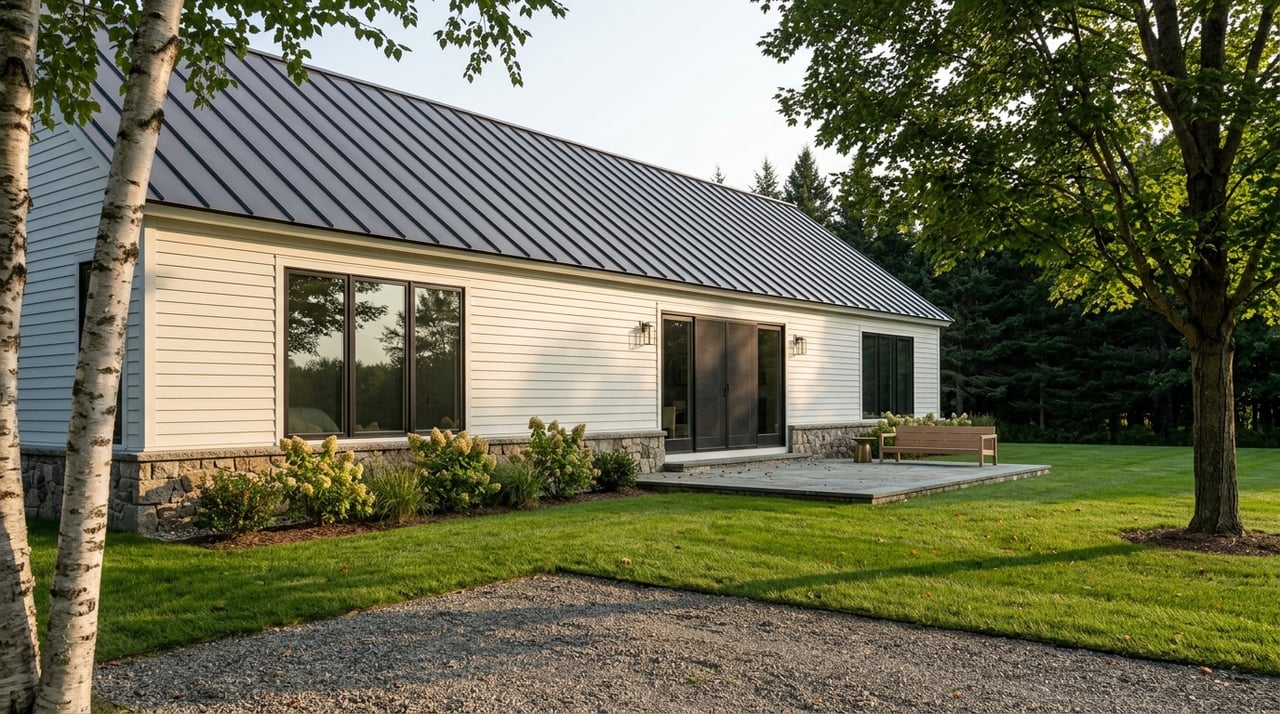
If your picture of home includes open space, agricultural surroundings, or a quieter road network, Charlotte’s Rural District is likely the draw. The town’s land-use rules say this district is intended to protect agricultural land, wildlife habitat, productive woodland, natural areas, aquifers, scenic vistas, and open spaces while allowing low-density or clustered residential development.
That tells you a lot about what country living here can feel like. You may find larger parcels, homes near farms, or properties with a stronger sense of privacy and landscape connection. For buyers who value space and setting, Charlotte offers a clear country-living identity.
This is also where Karen Bresnahan’s background in land use planning can be especially valuable. When you are comparing acreage, road frontage, development patterns, or conservation context, local insight matters.
Lake-Adjacent Living in Charlotte
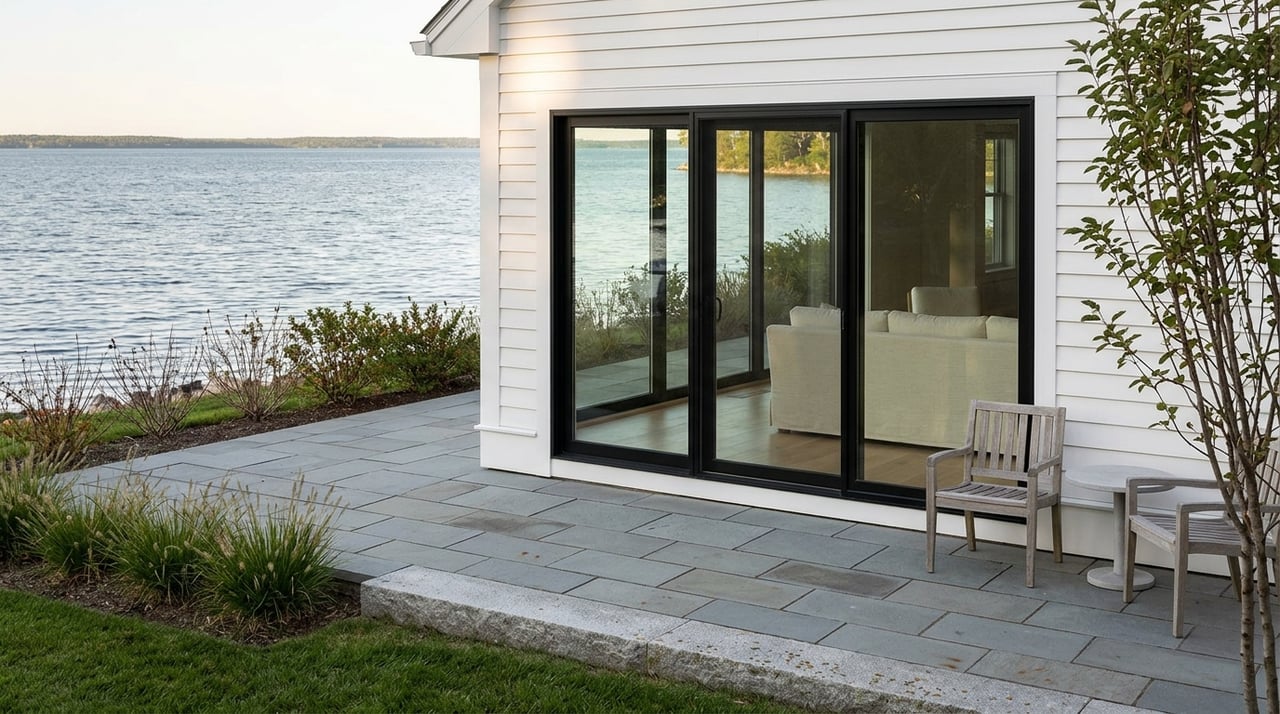
Charlotte also offers a lake edge setting, but this part of the market comes with added nuance. The town has Shoreland and Shoreland Seasonal Home Management districts, and the seasonal-home district exists to preserve Thompson’s Point for seasonal residential use only while protecting the historic and scenic shoreline character.
For buyers drawn to the lake, that means the setting can be beautiful and highly appealing, but property use and regulations may be more specific than in other parts of town. If you are considering a shoreland parcel or a seasonal-use property, it is worth understanding those distinctions early in your search.
How Land Use Shapes Your Home Search
Charlotte’s appeal is closely tied to how intentionally the town has organized land use. Its rules separate village, rural, shoreland, conservation, and scenic corridor areas, which helps preserve the town’s overall character.
For you as a buyer, this matters because a property’s location may influence not just the setting, but also the long-term feel of the surrounding area. A home in a village area may offer a different experience from a home in the Rural District or near the shoreline, even if the drive between them is short.
Overlay districts are also important to know. The Route 7 Scenic Overlay is intended to protect scenic resources along the Route 7 corridor, including views to mountains, lake, and fields, and the Flood Hazard Area Overlay applies in flood-prone areas.
These details are not just planning terms. They can shape expectations around property use, views, and future changes in the area around a home.
Everyday Life in Charlotte
One of the reasons Charlotte draws interest is that rural living here does not mean giving up outdoor access or simple local amenities. The town’s village centers provide a few everyday service points, while public recreation adds a strong lifestyle layer.
Charlotte Beach is open daily from Memorial Day through Labor Day from 8 a.m. to 10 p.m., with day and season passes. Mt. Philo State Park is also in Charlotte, and it offers day-use hours from 8 a.m. to sunset, a small campground, and wide views over the Lake Champlain Valley and the Adirondacks.
Charlotte Park and Wildlife Refuge adds another dimension. The area includes active agricultural fields and non-agricultural land and is described by the town as significant wildlife habitat.
Together, these spaces help explain why Charlotte can feel peaceful and rural while still supporting an active day-to-day lifestyle. If being outdoors is part of how you want to live, Charlotte offers that in a very natural way.
Trails, Scenery, and Local Movement
Charlotte is mostly car-oriented, and Route 7 is identified in the town’s land-use rules as a major transportation artery. For most residents, driving will be part of daily life.
Still, the town has some helpful local connections. The Town Link Trail near the Route 7 underpass is described as safe for walking and biking, and the broader trail network is intended to connect the town beach, West Village, Mt. Philo, and East Village.
The town also highlights a wider network that includes the Village Loop, Pease Mountain, Plouffe Lane, Raven Ridge, and Williams Woods areas. If you value access to trails and scenic routes close to home, Charlotte offers more than many buyers might expect from a small rural town.
Ferry Access and Regional Convenience
Charlotte’s location offers one more practical advantage. The Charlotte-Essex Ferry operates year-round, does not require reservations, and provides a direct cross-lake connection to Essex, New York.
That ferry option adds flexibility for people who spend time on both sides of the lake or want easier regional access. It is a distinctive feature that gives Charlotte a bit more connectivity than you might assume at first glance.
For buyers relocating to the Lake Champlain Valley or considering Vermont and nearby New York at the same time, that cross-market convenience can be especially meaningful.
What Buyers Should Consider First
Before you start touring homes in Charlotte, it helps to narrow your lifestyle priorities. In a town with this much variety, the right fit often comes down to the setting more than the square footage.
Ask yourself:
- Do you want to be near East or West Charlotte’s village services?
- Do you prefer open land, farm adjacency, or a quieter rural road pattern?
- Are you specifically drawn to lake access or shoreline character?
- Would trail access, beach access, or proximity to Mt. Philo shape your daily routine?
- Do local land-use rules or overlay districts matter for how you plan to use a property?
These questions can help you sort through options faster and focus on homes that match the way you actually want to live.
Why Charlotte Appeals to Many Buyers
Charlotte works well for buyers who want more space without giving up regional access. The combination of village nodes, farmland, protected open areas, recreation, and lake proximity creates a setting that feels both practical and special.
For some, the draw is the quieter pace and agricultural landscape. For others, it is the chance to find a village-adjacent home, an acreage property, or a lake-oriented retreat in one town.
That range is what makes Charlotte so compelling. You are not choosing between convenience and scenery quite as much as you might in other markets. Here, the town’s layout is what helps hold both together.
If you are exploring Charlotte and want guidance grounded in local knowledge, land-use awareness, and a clear understanding of lifestyle fit, Karen Bresnahan can help you navigate the options with care and clarity.
FAQs
What is village living like in Charlotte, Vermont?
- Village living in Charlotte is most closely associated with East Charlotte Village, West Charlotte Village, and the Village Commercial district, where the town’s small-scale service pattern is centered.
What defines country living in Charlotte, Vermont?
- Country living in Charlotte is tied to the Rural District, which is intended to protect agricultural land, woodland, wildlife habitat, scenic vistas, aquifers, and open space while allowing low-density or clustered residential development.
Are there lake-oriented properties in Charlotte, Vermont?
- Yes, Charlotte includes shoreland areas and a Shoreland Seasonal Home Management district, including Thompson’s Point, where seasonal residential use and shoreline character are specifically protected.
How do people get around in Charlotte, Vermont?
- Charlotte is mostly car-oriented, with Route 7 serving as a major transportation artery, though the town also has trail connections for walking and biking and year-round ferry service to Essex, New York.
What outdoor amenities are available in Charlotte, Vermont?
- Charlotte offers access to Charlotte Beach, Mt. Philo State Park, Charlotte Park and Wildlife Refuge, and a broader trail network that includes the Town Link, Village Loop, Pease Mountain, Plouffe Lane, Raven Ridge, and Williams Woods areas.